Application Deadline - May 10, 2023

AI in education

College student discussing an AI-related assignment with a professor beside a laptop

Why Colleges Are Changing Assignments in the Age of AI

Colleges are changing assignments because generic take-home essays no longer provide reliable evidence of a student’s independent reasoning. AI-proof assignments now focus on the learning process, personal explanation, documented decisions, and direct demonstrations of knowledge. A professor can paste an old essay prompt into ChatGPT and receive a polished response within seconds. That reality has

Why Colleges Are Changing Assignments in the Age of AI Read More »

Teacher helping a student use an adaptive learning platform on a laptop

Adaptive Learning Platforms: Tools That Listen

Adaptive learning platforms are educational tools that adjust instruction based on how you learn, where you struggle, how quickly you progress, and what support you need next. They “listen” through learning signals, then use those signals to change practice, pacing, feedback, and recommendations. If you’re choosing, teaching with, or evaluating adaptive learning software, you need to

Adaptive Learning Platforms: Tools That Listen Read More »

Teacher leading an interactive classroom lesson with AI teaching assistant tools displayed on a screen

Top 7 AI Teaching Assistants for Engaging Lessons

Artificial intelligence teaching assistants help you plan faster, differentiate with less friction, and keep students involved during live instruction. The strongest options do not just generate worksheets, they help you build participation, feedback, discussion, and support into everyday teaching. If you want lessons that move beyond passive listening, you need tools built for real classroom use.

Top 7 AI Teaching Assistants for Engaging Lessons Read More »

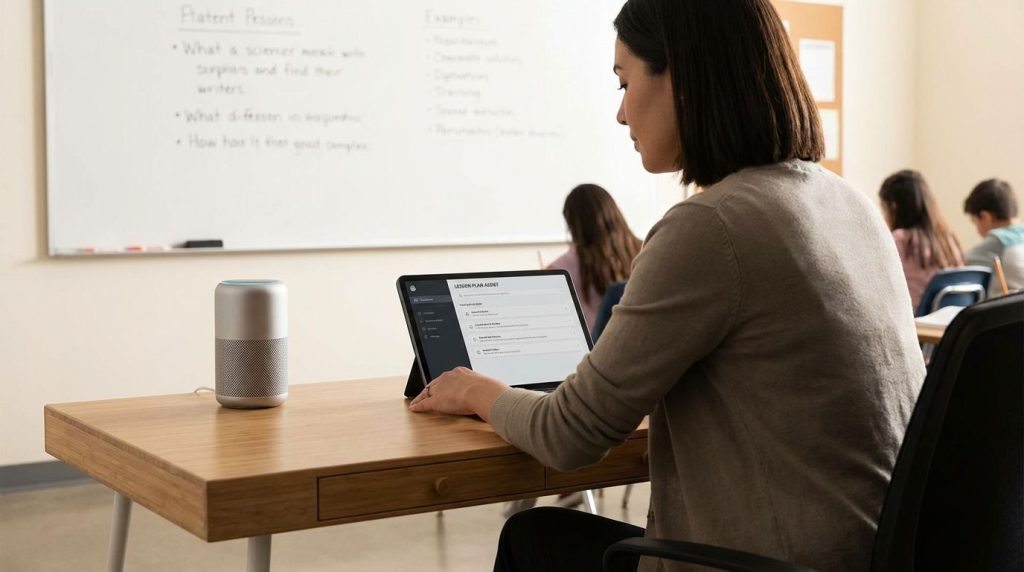
Teacher using a virtual assistant on a laptop in a classroom while reviewing lesson materials with students nearby

Virtual Assistants in the Classroom: What Educators Need

Virtual assistants can reduce teacher workload, support differentiation, and extend student help, but only when you use them with clear instructional boundaries, privacy controls, and human review. If you treat them as support tools rather than stand-ins for teaching, they can strengthen classroom operations without weakening learning. You need practical answers, not vendor promises. This

Virtual Assistants in the Classroom: What Educators Need Read More »

A teacher reviewing AI-powered classroom analytics on a clean digital dashboard.

Top AI Education Platforms Transforming Classrooms

The top AI education platforms are reshaping classrooms by delivering adaptive learning, automating teacher workflows, generating content instantly, and personalizing instruction at a scale no traditional system can match. You’re in a moment where AI gives your classrooms measurable performance advantages—faster lesson preparation, richer student analytics, and customized learning paths that adjust in real time.

Top AI Education Platforms Transforming Classrooms Read More »

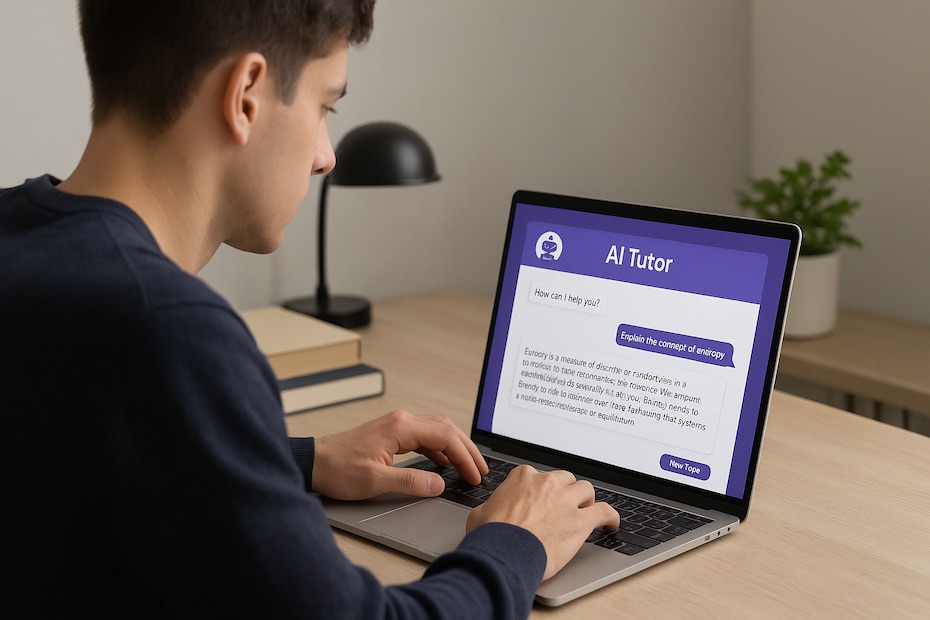
Student using an AI tutor application on a laptop in a modern study environment.

Using AI Tutors to Enhance Learning

AI tutors enhance your learning by offering personalized feedback, adaptive instruction, and real-time performance analysis—helping you study faster and retain information longer. Artificial intelligence has moved beyond being a buzzword; it’s now a practical companion for learners seeking structure, clarity, and efficiency. In this article, you’ll learn how AI tutors work, the measurable benefits they

Using AI Tutors to Enhance Learning Read More »