

Teaching Shakespeare in the classroom presents a unique set of challenges and opportunities. The complexity of his language, the historical context of his works, and the depth of his themes can make Shakespeare seem intimidating to both students and teachers. However, with innovative strategies and engaging methods, educators can transform these challenges into opportunities for deep, meaningful learning. This article explores a variety of innovative strategies for teaching Shakespeare, making his works accessible, enjoyable, and relevant to students today. From using multimedia and interactive activities to modern adaptations and performance-based learning, these approaches can help bring Shakespeare’s timeless works to life in the classroom. By the end of this guide, educators will have a toolkit of strategies to engage students and foster a love for Shakespearean drama.
Make Shakespeare’s Language Accessible
One of the most significant barriers to understanding Shakespeare is his use of Early Modern English. This language, full of archaic terms and complex sentence structures, can seem alien to modern readers. To make Shakespeare’s language more accessible, teachers can use a mix of original texts and modern translations. The “No Fear Shakespeare” series, for example, presents the original text alongside a modern English translation, allowing students to appreciate Shakespeare’s poetic language while ensuring they understand the content. Additionally, incorporating audio versions of the plays can help students hear the rhythm and emotion in Shakespeare’s words, making the language more engaging and less intimidating. Listening to professional actors deliver Shakespeare’s lines can also help students grasp the nuances of tone and inflection that are often lost in silent reading.
Engage Students Through Performance
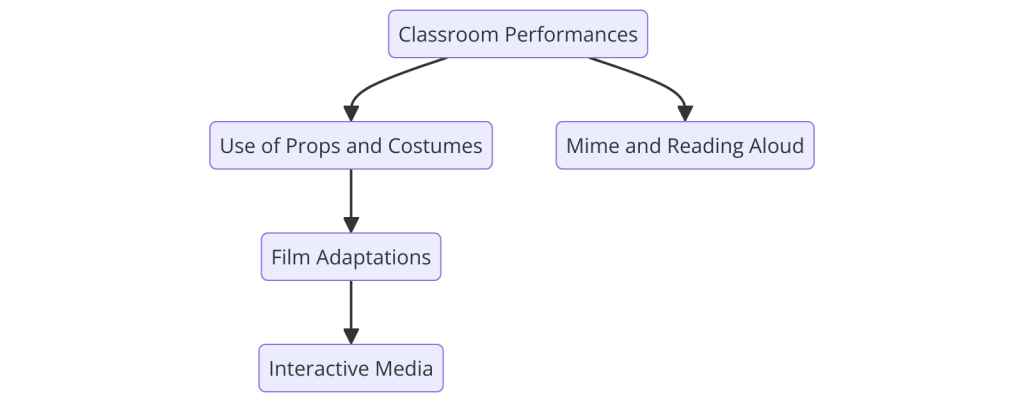
Shakespeare’s plays were meant to be performed, not just read. Encouraging students to act out scenes can bring the text to life and help them understand the characters and plot. Simple classroom performances, where students take turns reading parts or even mime actions while another student reads, can make the experience interactive and fun. Using props and costumes, even improvised ones, can add an extra layer of excitement. This hands-on approach helps students connect with the material on a deeper level and develop a greater appreciation for Shakespeare’s work. For example, performing the balcony scene from “Romeo and Juliet” or the witches’ scene from “Macbeth” can be a memorable way for students to engage with the text. Additionally, performance activities help students develop public speaking skills and build confidence in reading aloud.
Utilize Multimedia Resources
Incorporating multimedia resources can significantly enhance the teaching of Shakespeare. Film adaptations, audio recordings, and online resources provide visual and auditory stimuli that can make Shakespeare’s works more relatable. Showing clips from movies or recorded stage performances can help students visualize the settings and characters. For instance, watching different film adaptations of a scene can lead to discussions about directorial choices and interpretations of the text. For example, Kenneth Branagh’s film adaptation of “Hamlet” or Baz Luhrmann’s modern take on “Romeo + Juliet” can offer fresh perspectives and spark lively classroom discussions. The Royal Shakespeare Company’s website and the Folger Shakespeare Library offer a wealth of videos and interactive materials that can enrich the learning experience and provide additional context for students.
Explore Themes and Modern Connections
Connecting Shakespeare’s themes to modern-day issues and experiences can make his works more relevant to students. Many of Shakespeare’s themes, such as power, jealousy, love, and revenge, are universal and timeless. Teachers can create discussions or projects that link these themes to current events or popular culture. For example, comparing the political intrigue in “Julius Caesar” to modern political scandals can make the play more engaging. Additionally, using anticipation guides or thematic statements can prompt students to think critically about these connections and reflect on the relevance of Shakespeare’s insights into human nature. By drawing parallels between Shakespeare’s characters and contemporary figures, students can better understand and appreciate the enduring relevance of his works.
Incorporate Interactive Activities
Interactive activities, such as role-playing games, debates, and creative projects, can make learning about Shakespeare more engaging. For example, a “Shakespearean Insult” activity, where students use an English-to-Shakespearean translator to create and exchange humorous insults, can help them get comfortable with the language. Creating comic strips or modern rewrites of scenes can also make the material more accessible. These activities encourage creativity and collaboration, making the learning process enjoyable and memorable. Another engaging activity is the “Six-Minute Shakespeare” challenge, where students must condense an entire play into a six-minute performance, focusing on the most critical scenes and characters. This exercise not only reinforces understanding but also requires students to prioritize and summarize effectively.
Scaffold Learning with Shorter Texts and Summaries
Starting with shorter texts or summaries can help students build confidence before tackling a full play. Using 15-minute versions of Shakespeare’s plays, available from resources like the Folger Shakespeare Library, can provide students with an overview of the plot and characters. These condensed versions allow students to practice key lines and understand the main events without feeling overwhelmed. Once students are familiar with the storyline, they can delve deeper into specific scenes and passages. Summarizing scenes and focusing on key soliloquies or dialogues can make the experience more manageable and less daunting for students. Additionally, graphic organizers and visual aids can help students keep track of characters, plot events, and themes, making the complex narrative structures of Shakespeare’s plays easier to navigate.
Use Graphic Organizers and Visual Aids
Graphic organizers and visual aids can help students keep track of characters, plot events, and themes. Character charts, plot diagrams, and thematic maps can make it easier for students to understand the complex relationships and events in Shakespeare’s plays. Visual aids such as these can be particularly helpful for visual learners and can serve as valuable references throughout the study of a play. Encouraging students to create their own visual aids can also reinforce their understanding and retention of the material. For instance, students can create family trees for “Romeo and Juliet” or flowcharts outlining the sequence of events in “Macbeth.” These visual tools not only support comprehension but also make the learning process more interactive and engaging.
In Conclusion
Teaching Shakespeare to students can be a rewarding experience when approached with innovative and engaging strategies. By making his language accessible, using performance and multimedia resources, exploring modern connections, incorporating interactive activities, scaffolding learning, and using visual aids, educators can transform Shakespeare’s plays from intimidating texts into dynamic learning opportunities. These methods not only enhance students’ understanding and appreciation of Shakespeare’s works but also foster critical thinking, creativity, and a lifelong love of literature. By bringing Shakespeare to life in the classroom, teachers can help students discover the timeless relevance and beauty of his plays. With these strategies, educators can ensure that their students not only learn about Shakespeare but also enjoy and connect with his works in meaningful ways.